When clients come to us at Power CMS, they usually want two things:
-
A fast, modern digital experience.
-
Strong visibility on search engines.
And when we suggest a headless approach, the next question is almost always:
“Will it still rank well?”
The honest answer?
Yes, if it’s built the right way.
Let me walk you through how we approach Drupal website design in a headless environment without compromising SEO.
First, We Don’t Separate Design from Strategy
Headless Drupal gives us incredible flexibility. We can use Drupal purely as a powerful content engine while building the front end with modern frameworks that deliver app-like speed and responsiveness.
But here’s what we never do:
We don’t treat design, development, and SEO as separate layers.
From the beginning, we plan:
-
URL structures
-
Content hierarchy
-
Metadata handling
-
Structured data
-
Internal linking systems
These are not “afterthoughts.” They’re foundational.
That’s one of the core Drupal website design best practices we follow on every project.
Performance Alone Isn’t Enough
Many businesses assume headless equals fast, and fast equals rankings.
Speed definitely helps. But search engines look for more than that.
So when we build a headless Drupal platform, we ensure:
-
Server-side rendering (SSR), or static generation, is properly configured
-
Search engines receive fully rendered HTML
-
Core Web Vitals are optimised
-
API calls are efficient and cached
If someone asks us how to design a website using Drupal in a way that supports modern UX and SEO, our answer always includes technical SEO architecture, not just front-end performance.
We Keep SEO Control Inside Drupal
One of the biggest misconceptions about headless builds is that you “lose” SEO control.
You don’t, if it’s structured properly.
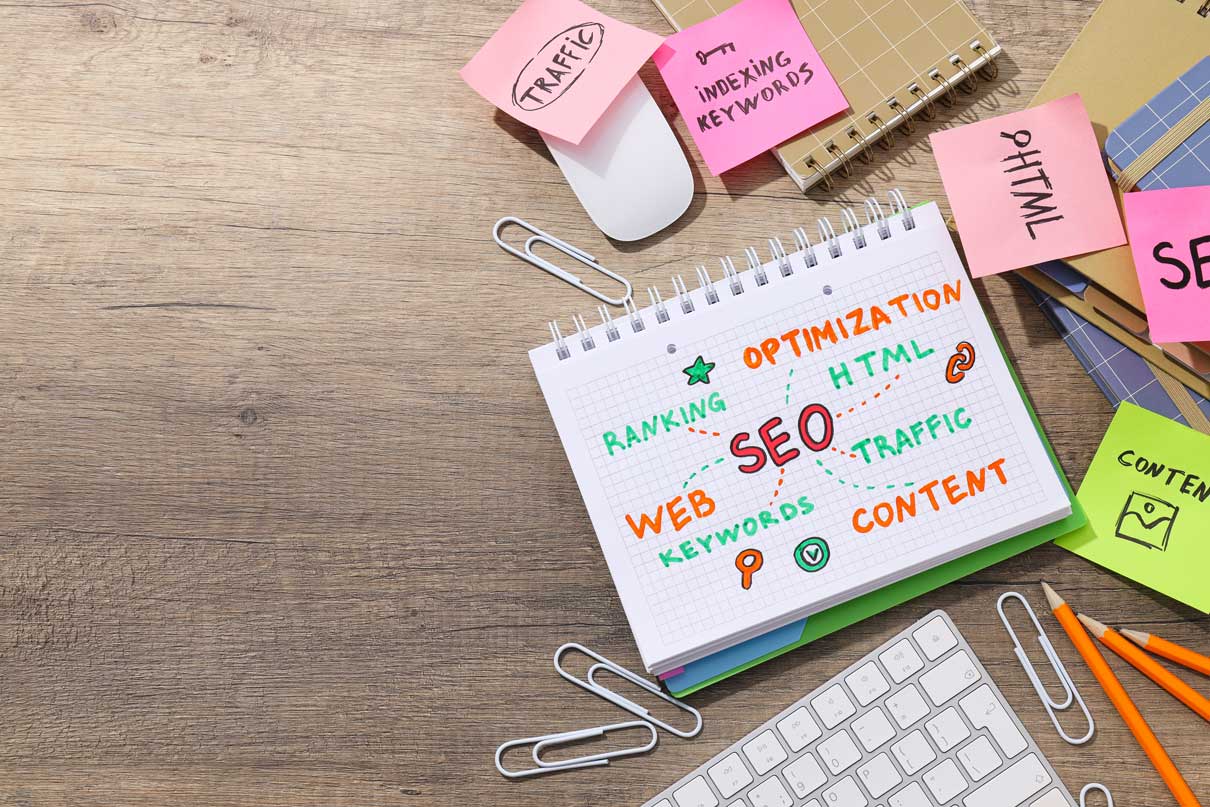
We configure Drupal to manage:
-
Meta titles and descriptions
-
Canonical URLs
-
Structured data (Schema markup)
-
Open Graph tags
-
XML sitemaps
Then we ensure the front-end layer fetches and renders those elements correctly.
SEO stays centralised. The presentation layer simply delivers it.
Navigation and Internal Linking Still Matter
In traditional builds, Drupal themes handle menus and links automatically.
In a headless setup, we recreate this intentionally and carefully.
We design:
-
Crawlable navigation
-
Clear internal linking structures
-
Proper breadcrumbs
-
Logical content relationships
Without this structure, rankings suffer, regardless of how advanced the tech stack is.
This is why strong Drupal website design is about architecture, not just aesthetics.
What About Themes?
Clients often ask about the best drupal themes for business websites.
In a traditional setup, themes play a central role.
But in a fully headless architecture, Drupal themes become less important. The front end is completely custom.
We do not use premade themes, but rather design custom design systems for each of our customers based on their brand identity and goals.
For companies that require even greater flexibility, we offer custom Drupal theme design or a custom front end in a headless scenario to use with the back end of Drupal.
Customisation Without Compromising Rankings
Another question we hear frequently is how to customize drupal website experiences without damaging SEO.
Here’s our approach:
-
Drupal handles structured content and governance.
-
The front end handles user experience and interactions.
-
SEO logic connects both layers.
Customisation becomes more powerful in headless architecture, but it also requires discipline. Poor API handling, broken routes, or missing metadata can quickly undermine visibility.
That’s why we integrate SEO thinking into every development sprint.
When Do We Recommend Headless?
We usually recommend headless Drupal when:
-
A business needs multi-channel content delivery
-
The user experience requires high interactivity
-
Performance is a major priority
-
Scalability is critical
-
The platform must support apps, portals, or other digital touchpoints
If low complexity is more important than simplified complexity, we may suggest a traditional site build. Our objective is not to sell you on a technology. It’s to recommend what genuinely fits the business.
Strategy Determines Rankings, Not Architecture
Headless Drupal does not weaken SEO. Poor planning does.
When we implement structured content, technical SEO fundamentals, a server side render & excellent information architecture, headless Drupal site designs can be as search engine friendly as traditional build, and often have a greater level of performance and long term scalability.
At Power CMS, we approach every project with one goal: create a platform that will support your growth, increase visibility, and give your customers great experiences.
If you’re evaluating drupal website design best practices, exploring custom drupal theme design services, or learning how to design a website using Drupal in a modern headless environment.
The key is to choose an architecture that supports your business goals, and execute it with precision.
When Strategy Leads, Rankings Follow.